Bone Tomahawk is a dark and unsettling film that combines elements of the Western and horror genres. Set in the late nineteenth century American frontier, the story begins in a small, isolated town where violence is a familiar part of life. When several townspeople are mysteriously kidnapped, the community is forced to confront a terrifying and unknown threat beyond the safety of civilization.
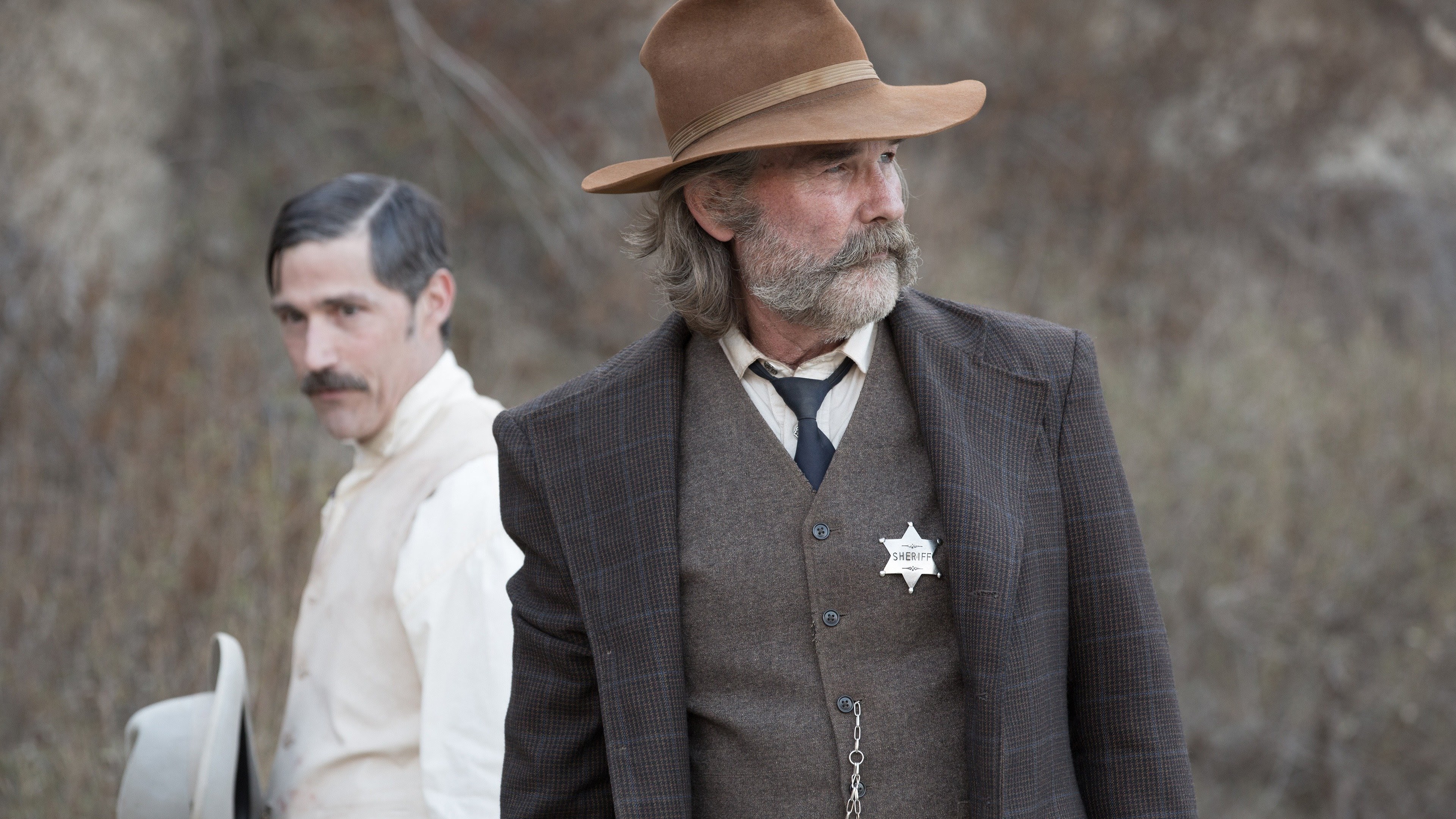
The kidnapped victims include Samantha O’Dwyer, a doctor’s assistant, along with two other men. In response, a small rescue group is formed, led by the aging but honorable Sheriff Franklin Hunt. He is joined by John Brooder, Samantha’s injured husband; Chicory, the sheriff’s loyal and talkative deputy; and Arthur O’Dwyer, a former gunslinger. Despite their differences, the men agree to journey into dangerous territory to bring the captives home.

As the group travels across harsh desert landscapes, the film takes time to develop its characters and their relationships. Conversations around campfires reveal their values, fears, and personal histories. This slow pacing builds tension and creates a sense of realism, making the audience feel the physical and emotional weight of the journey.
The true horror of the film emerges when the group encounters a tribe of violent cannibals living in remote caves. These enemies are portrayed as brutal and merciless, challenging the traditional Western image of frontier danger. The sudden shift from quiet travel to extreme violence is shocking and disturbing, leaving a strong impact on viewers.
Violence in Bone Tomahawk is graphic and difficult to watch, but it serves a purpose beyond shock. It highlights the cruelty of the world the characters inhabit and the risks they accept in their attempt to do what is right. Each act of violence carries consequences, reinforcing the seriousness of their mission.
At its core, the film is about duty, loyalty, and sacrifice. Sheriff Hunt’s determination to rescue the captives, despite his age and failing health, reflects a deep sense of moral responsibility. The other men also face their fears and limitations, choosing courage over survival.
In the end, Bone Tomahawk leaves a haunting impression by blending human drama with horrifying imagery. It challenges the romanticized vision of the Old West and replaces it with a brutal, unforgiving reality. Through its strong performances and disturbing tone, the film explores the cost of honor and the darkness that exists at the edge of civilization.


