The film opens with a young man named Kaydee “Caine” Lawson trying to make sense of his life in the Watts/Crenshaw neighborhood of Los Angeles, an environment steeped in poverty, violence and limited options. From early on we see Caine’s background is troubled: his father is involved in the drug trade and is killed during a deal, and his mother later dies of an overdose. This legacy haunts him as he grows up in the projects under the care of his grandparents.
As the story unfolds, Caine graduates from high school with hopes of escape, but the forces around him pull him back into the cycle of crime. His childhood friend Kevin “O‑Dog” Anderson is completely immersed in gang life and wanton violence, and though Caine tries to steer clear, he continually finds himself drawn into situations he can’t control. The tension between aspiration and reality is at the heart of the film: Caine wants something better, but the world he inhabits offers few avenues.
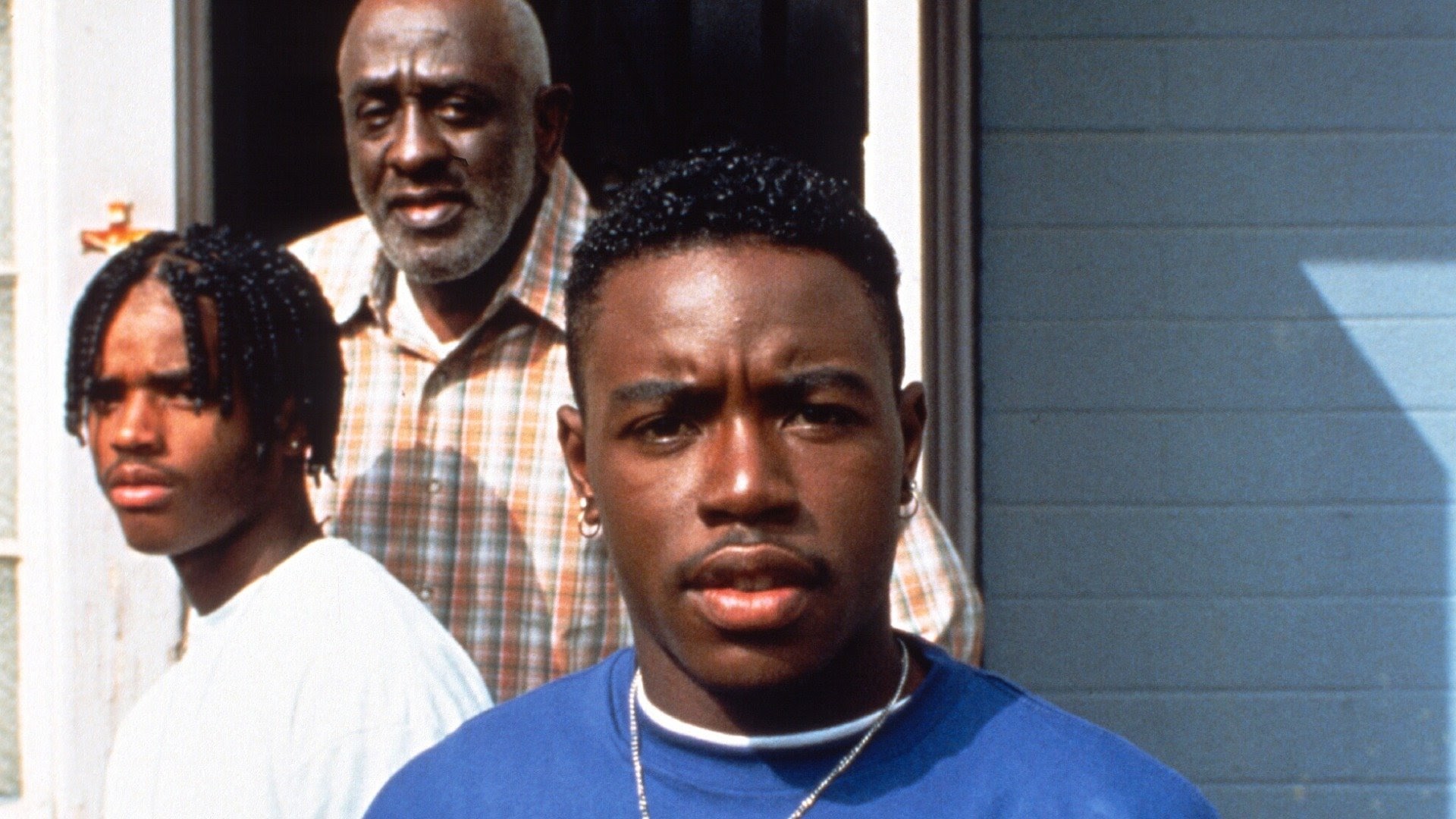
Much of the film’s power lies in its unflinching portrayal of the environment: sudden shootings, carjackings, betrayal among friends, and the constant presence of danger. The directors, the Hughes brothers, purposely render the violence in a documentary‑style realism—not glamorizing it, but showing how quickly an ordinary moment can become tragic. This lends the film an emotional weight and authenticity rarely seen in similar genre movies.
Despite the bleakness, the film does offer moments of hope or at least possibility: Caine forms a relationship with his girlfriend Ronnie, and there are scenes in which his teacher or older mentors attempt to steer him toward something better. Yet the film is careful not to promise redemption easily. The message is more about how hard it is to break free from the environment you’re born into, how much your past and your surroundings shape your choices.

In its final act the film doesn’t wrap everything up neatly: the consequences of choices become undeniable. The everyday violence, the loss of friends, the spiraling into irreversible acts—it all accumulates. Caine’s journey suggests that sometimes escape is less about a grand exit than surviving day by day and deciding whether you’ll be defined by your surroundings or try to redefine them. The uncertainty is uncomfortable yet essential to the film’s impact.
In sum, Menace II Society stands as a socially significant, raw, emotionally intense portrayal of young Black life in early‑1990s urban America. It is less about offering solutions than showing the stakes: the stakes of friendship, of family history, of circumstance, and of the moments when one choice can change everything. Its blend of character study, social critique and hard‑hitting realism makes it a standout in its genre and a film that lingers with the viewer long after the credits roll.


